Your shower drain plumbing Diagram is an integral part of your bathroom. It removes water safely and keeps your bathroom clean. But how does it work? Knowing the parts of your shower drain system can help you fix problems and take care of them. Let’s explore this step by step.
What Is a Shower Drain Plumbing Diagram?
A shower drain plumbing diagram is like a map. It shows how the pipes in your shower work together. This diagram helps you see where the water goes and how each part connects. By learning about it, you can spot problems and understand repairs.
Parts of a Shower Drain Diagram System
Every shower drain diagram system has a few key parts. These work together to move water out of your shower. Here’s what they do:
1. Shower Drain
- This is the opening in your shower floor.
- Water flows through it and into the pipes below.
- A cover stops hair and other things from clogging the drain.
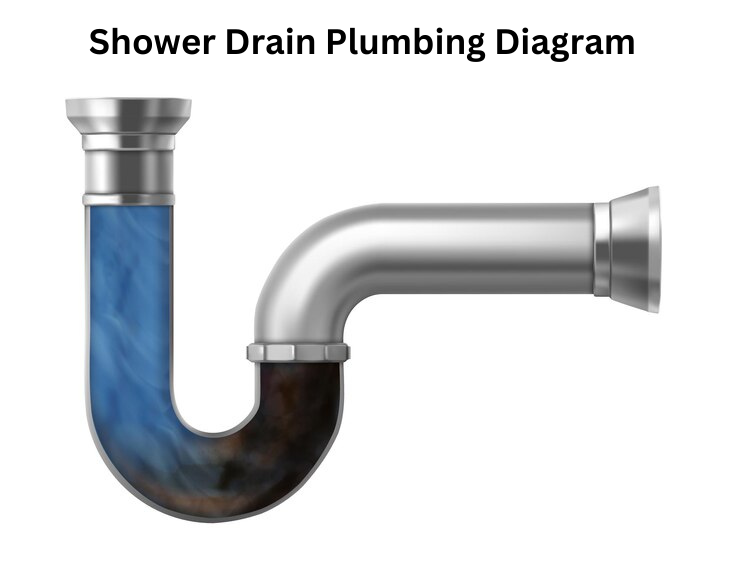
2. Shower Drain P-Trap Diagram
- A U-shaped pipe under the shower.
- It holds water to stop bad smells from coming up.
- Without a P-trap, sewer gases could enter your bathroom.
3. Drain Pipes
- These pipes carry water away from the shower.
- They slope downward so water flows easily.
- They connect to your home’s main sewer line.
4. Vent Pipe
- A vertical pipe that brings air into the drain system.
- It helps water move smoothly by balancing pressure.
- Without a vent pipe, water might drain slowly or make gurgling sounds.
How Does a Shower Drain System Work?
The shower drain system is simple but brilliant. Here’s how it works step by step:
- Water enters the drain: When you shower, water flows into the drain.
- Goes to the P-trap: The water travels into the P-trap, which keeps sewer smells away.
- Moves through the pipes: Water flows through the drain pipes, heading to the main sewer line.
- Airflow helps: The vent pipe lets air in to keep the water moving quickly.
Each part plays a role. If one part stops working, the whole system can have problems.
Common Shower Drain Problems
Sometimes, things go wrong with your shower drain. Here are some common problems and how to fix them:
1. Clogged Drain
- Why it happens: Hair, soap, and dirt can block the drain.
- How to fix it: Use a plunger or a drain snake to remove the clog. A mixture of baking soda and vinegar can also help.
2. Bad Smells
- Why it happens: The P-trap might be dry or dirty.
- How to fix it: Pour water into the P-trap to seal it. Clean the pipes with hot water and soap if needed.
3. Slow Draining Water
- Why it happens: A partial clog or poor venting can slow water flow.
- How to fix it: Check for clogs or clear the vent pipe.
4. Leaks
- Why it happens: Pipes may crack or joints may loosen.
- How to fix it: Tighten loose joints, or replace broken parts. For major leaks, call a plumber.
5. Gurgling Sounds
- Why it happens: The vent pipe might be blocked, creating pressure issues.
- How to fix it: Inspect the vent pipe and remove any blockages.
Tips to Keep Your Shower Drain System Healthy
Taking care of your shower drain is easy if you follow a few simple tips:
- Clean Regularly: Remove hair and debris from the drain weekly.
- Flush with Hot Water: Pour hot water down the drain to clear soap and grease.
- Use a Drain Cover: A cover catches hair and stops clogs.
- Check for Leaks: Look under your shower for water damage.
- Schedule Inspections: A plumber can check your system yearly to catch problems early.
Why a Shower Drain Plumbing Diagram Is Helpful
A plumbing diagram shows how everything connects. It can help you:
- Find the source of the problems.
- Understand where pipes are located.
- Plan repairs or upgrades.
The diagram is essential if you’re building or remodeling a bathroom. It ensures the plumbing is done correctly.
DIY vs. Professional Help
Some shower drain issues are easy to fix. But others need an expert. Here’s when to call a plumber:
- Recurring Clogs: If clogs keep returning, there might be a deeper issue.
- Bad Smells: Persistent odors could mean the P-trap or vent pipe needs work.
- Leaks: A professional should handle visible water damage or dripping pipes.
- Remodeling Projects: For significant changes, a plumber can ensure everything meets the code.
How to Read a Shower Drain Plumbing Diagram
Reading a plumbing diagram may seem complicated, but it’s simple once you know the basics:
- Look for the Shower Drain: This is where water starts flowing.
- Find the P-Trap: It’s the curved pipe below the drain.
- Follow the Pipes: See how water moves to the sewer line.
- Check the Vent Pipe: This connects to the central system for airflow.
An exemplary diagram uses symbols to show each part. If you’re unsure, a plumber can explain it.
Preventing Major Problems
Minor issues can turn into big ones if ignored. Here’s how to prevent serious plumbing problems:
- Fix Clogs Quickly: Don’t let them sit; they can block the whole system.
- Keep the P-Trap Wet: If your shower isn’t used often, pour water into the drain occasionally.
- Inspect Pipes: Look for cracks or corrosion, especially in older homes.
- Maintain Vent Pipes: Clear leaves or debris that might block airflow.
Why Shower Drain Maintenance Is Important
A clean, working shower drain does more than remove water. IIt keeps the bathroom plumbing diagram smelling fresh and prevents water damage. Regular maintenance will also save you money on repairs, especially when it keeps your plumbing up and running for many years.
FAQs About Shower Drain Plumbing
What is a shower drain P-trap diagram and why is it important?
A shower drain P-trap diagram shows the U-shaped pipe under your shower that prevents sewer gases from entering your bathroom. Understanding this diagram helps you maintain proper drainage and fix bad odors quickly.
How do I read a 2-inch walk-in shower drain plumbing diagram?
A 2-inch walk-in shower drain plumbing diagram illustrates how water flows from the shower floor through the P-trap, drain pipes, and vent system. Follow the arrows and labels to identify each component for proper installation or repair.
What does a shower waste diagram include?
A shower waste diagram displays all components that carry water away from your shower, including the drain, P-trap, vent pipe, and connection to the main sewer line. It helps in troubleshooting clogs and planning renovations.
How does a shower drain vent diagram prevent slow drainage?
A shower drain vent diagram shows the vertical pipe that balances air pressure in your plumbing system. Proper venting prevents gurgling sounds and ensures water flows efficiently down the drain.
What are the key parts shown in a shower drain parts diagram?
A shower drain parts diagram highlights essential components like the drain opening, cover, P-trap, drain pipes, and vent pipe. Each part has a function that ensures smooth drainage and prevents leaks or odors.
When should I call a plumber according to my shower drain plumbing diagram?
If your diagram shows repeated clogs, persistent bad smells, slow draining, or leaks, it’s best to call a plumber. They can inspect the layout, check venting issues, and repair the system professionally.
How to use a shower drain assembly diagram for DIY maintenance?
A shower drain assembly diagram guides you through each component of your drain system. You can use it to clean clogs, inspect the P-trap, and verify vent connections safely without damaging pipes.
What is the difference between a shower drain diagram and a bathroom plumbing diagram?
A shower drain diagram focuses specifically on the shower’s drain system, while a bathroom plumbing diagram shows all plumbing components, including sinks, toilets, and showers. Knowing the difference helps you isolate issues efficiently.
Conclusion: Keep Your Shower Drain in Great Shape
Your shower drain plumbing system works hard every day. Understanding its parts and how they work can keep your bathroom in excellent condition. Regular cleaning, fixing minor problems, and knowing when to call a plumber can make all the difference.
Need help with your shower plumbing? Contact us today. We’re here to answer your questions, fix issues, and help you maintain your plumbing for a hassle-free bathroom.